
Beyond the 30 June Myth: A 4-Step Plan for Your EOFY Super Strategy
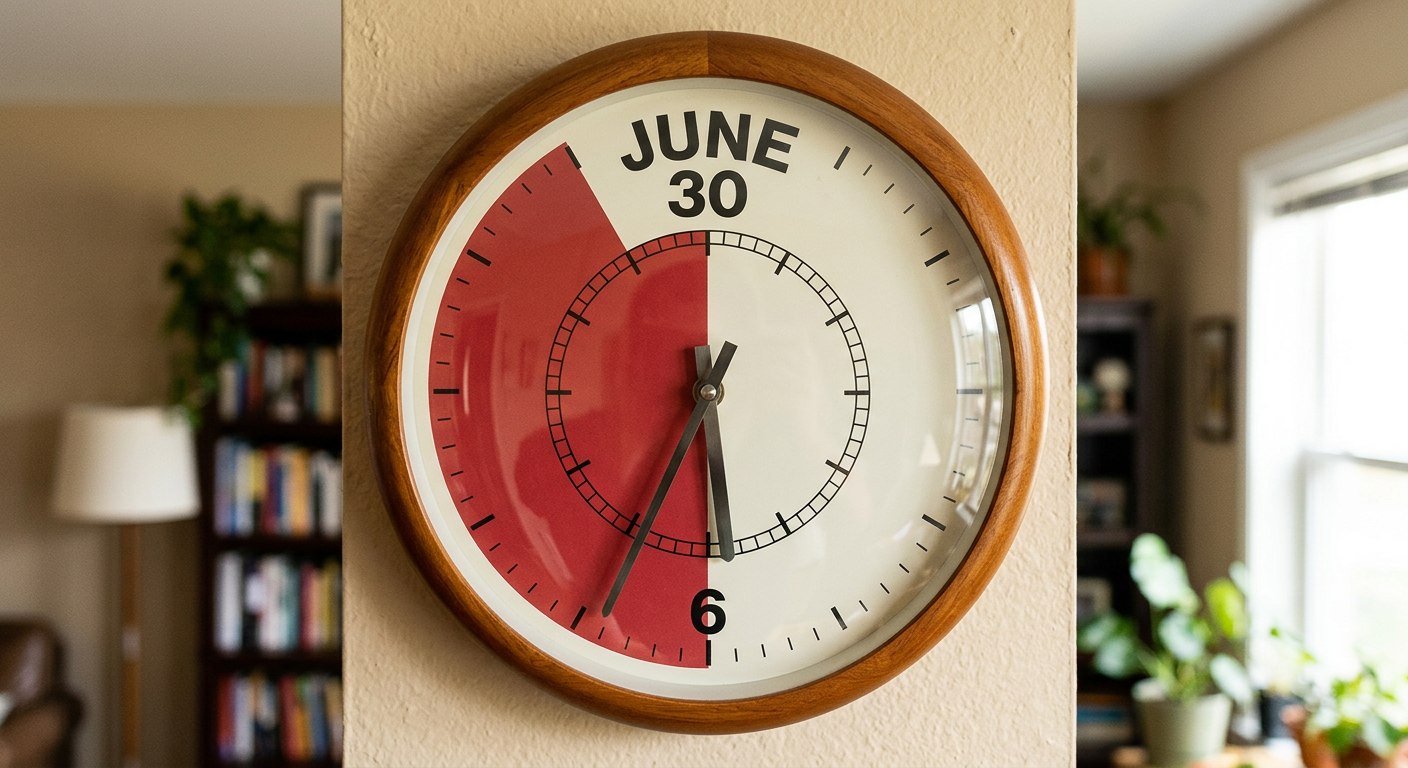
Many Australians treat 30 June like a retail sale—they assume that as long as they act before the doors close at midnight, they are in the clear.
In the world of superannuation, this is a dangerous misconception. If your cleared funds aren't physically sitting in your super fund’s bank account by the stroke of midnight, your tax deduction for that financial year vanishes.
The "transaction lag" is a silent killer of EOFY tax strategies.
To ensure your contributions actually count and your money aligns with your principles, you need a disciplined approach to the final weeks of June.
Step 1: Determine the "True" Cut-Off Date
The first mistake is trusting the calendar. Because 30 June is the hard deadline for the ATO, your personal deadline must be much earlier.
Most super funds require three to five business days to process BPAY or electronic transfers. I
f there is a weekend or bank holiday in the mix, that window can tighten further.
How to do it: Aim to have all electronic transfers initiated no later than 23 June. This provides a safety buffer for banking delays, ensuring the funds are "cleared" and credited to your account well before the deadline.
Step 2: Maximise Through "Catch-Up" Caps
Before you transfer a cent, you need to know exactly how much "room" you have.
While the standard concessional contribution cap is currently $30,000, you may have access to significantly more through the carry-forward rules.
How to do it: Log into your myGov account and check your "unused concessional contributions."
If your total super balance is under $500,000, you can "catch up" on unused portions of your cap from the last five years. This is one of the most effective ways to reduce taxable income if you have had a high-earning year.
Step 3: Formalise with a Notice of Intent (NOI)
Transferring the money is only half the battle. If you want to claim a tax deduction for a personal contribution, you must tell the fund that is what you are doing.
Without a formal paper trail, the ATO is likely to reject the deduction during a standard review.
How to do it: Download and lodge a "Notice of Intent to Claim a Deduction" form with your super fund. You must receive written acknowledgement from the fund before you lodge your tax return. Keep this receipt in your "Tax 2024" folder—it is your shield in case of an audit.
Step 4: Conduct a Values Alignment Check
In the rush to secure a tax win, many professionals overlook where their "catch-up" money is actually being invested.
There is little point in optimizing your tax position if that capital is immediately funneled into industries—like fossil fuels or weapons manufacturing—that contradict your personal ethics.
How to do it: Use this EOFY moment to review your current investment hair-style within your fund.
Check the underlying holdings to ensure your "tax win" isn't inadvertently funding sectors you’ve spent the rest of the year avoiding. If your fund doesn't offer the transparency you need, it may be time to consider a managed ethical portfolio.
The Framework in Action
Imagine a professional who realizes on 20 June they have a $15,000 tax problem. Instead of panic-transferring on the 29th, they check myGov, discover $20,000 in unused caps from two years ago, and initiate a transfer on the 22nd.
They immediately lodge their Notice of Intent and take ten minutes to switch their investment option to a sustainable, ESG-screened portfolio.
By July 1, they have secured a significant deduction and ensured their wealth is growing in line with their values.
The First Step
Don't wait for the final week of June. Log into your myGov portal today to see exactly how much unused contribution room you have available from previous years. Knowing your number is the only way to plan your next move accurately.
If you need help navigating the complexities of catch-up contributions or want to ensure your super is ethically managed, we recommend starting with a high-level review of your current strategy.
Primary Action: Book a FREE Call
Further Reading: Download your free Guide to Ethical Investing
