
The Silent 'Inertia Tax': Are You Forfeiting Tax-Free Retirement Income?
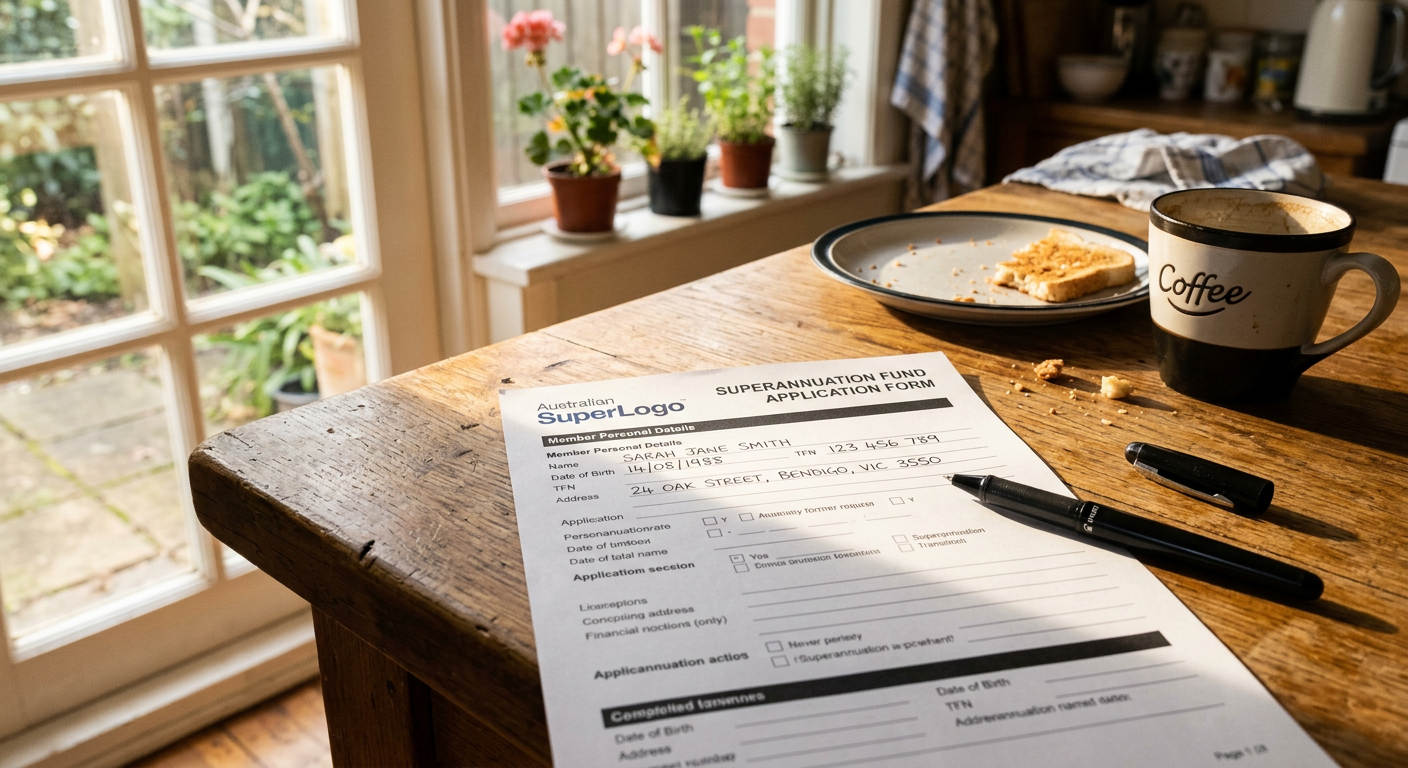
Most Australian retirees are paying a 15% tax they don't actually owe.
I recently looked at an account for a 67-year-old who was fully retired but still had their entire balance sitting in a standard "accumulation" account. They were effectively volunteering to give the ATO a slice of every dividend and every cent of interest their super earned, simply because they hadn't ticked a box to move into the pension phase.
What is the 'Inertia Tax'?
When you are working, your super is in the accumulation phase. In this stage, the earnings on your investments (interest, dividends, and capital gains) are generally taxed at up to 15%.
Once you reach your "preservation age" and satisfy a condition of release—such as retiring or turning 65—you can move your super into a retirement phase pension (also known as an Account-Based Pension). Inside this environment, the tax rate on investment earnings drops to 0%.
The "Inertia Tax" is the money you lose when you stay in the 15% environment despite being eligible for the 0% one. It isn't a formal levy; it’s the cost of doing nothing.
Why does this matter?
Over a 20-year retirement, that 15% difference in annual earnings can equate to tens, or even hundreds, of thousands of dollars in lost capital. It’s money that could be funding your lifestyle, supporting your family, or being donated to the causes you care about, rather than sitting in the government’s consolidated revenue.
Key Details: Accumulation vs. Pension
-
Tax on Earnings: Accumulation is up to 15%; Pension is 0%.
-
Access: Accumulation is generally "locked" until a condition of release; Pension requires you to take a minimum annual payment (usually 4% or 5% depending on your age).
-
Balance Limits: There is a "Transfer Balance Cap" (currently $1.9 million for most) on how much you can move into the tax-free pension phase.
-
Automation: Your super fund will not automatically move you. You must actively initiate the commencement of a pension.
Am I eligible to stop paying this tax?
You may be able to switch to a tax-free pension environment if you meet one of the following triggers:
-
You turn 65: Regardless of whether you are still working or not.
-
You reach preservation age and retire: (Preservation age is 60 for anyone born after June 1964).
-
You "cease an employment arrangement" after age 60: Even if you start a new job later, the super you earned up to that point can often be moved into a pension.
Important details to consider
It isn't always a simple "on" switch. Before moving, you need to consider:
-
The minimum drawdown: You must be comfortable receiving the mandatory minimum payments into your bank account.
-
Re-contribution strategies: Sometimes it's better to withdraw and put money back in to improve the "tax-free component" for your beneficiaries (Estate Planning).
-
Centrelink impacts: Moving funds into a pension account can change how your assets are assessed for the Age Pension.
Bottom line: Leaving your money in the accumulation phase when you are eligible for a pension is an optional tax. If your goal is to align your wealth with your values, ensuring that wealth isn't being eroded by unnecessary taxes is a fundamental first step.
Next Steps
If you aren't sure which phase your super is currently in, check your latest statement or log in to your fund's portal. If it says "Accumulation" and you are over 60, you might be paying more than you need to.
-
Book a FREE Call to discuss your retirement transition.
-
Download your free Guide to Ethical Investing to see how to align your 0% tax environment with your principles.